Roofline & Maintenance
Roof Cleaning and Moss Removal: Is It Worth It?
Roof moss genuinely damages tiles over time by retaining moisture and worsening frost damage, not just affecting appearance. Manual removal with biocide treatment is gentler and longer-lasting than pressure washing, which risks cracking older or more brittle tiles.
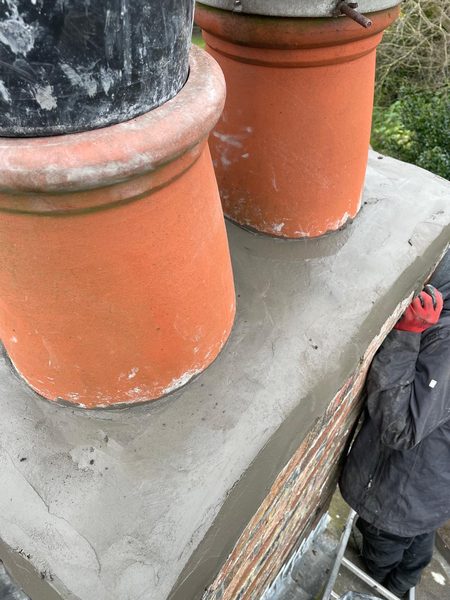
Moss on a roof is one of those things that’s easy to dismiss as purely cosmetic — until you understand what it’s actually doing to the tiles underneath. Here’s an honest look at whether roof cleaning is worth the cost, what methods actually work, and when it’s genuinely necessary.
Does moss actually damage a roof?
Yes, genuinely — not just an appearance issue. Moss retains moisture against the tile surface for extended periods, which on some materials contributes to surface pitting and gradual deterioration over years. It also traps moisture in freeze-thaw conditions common in a Merseyside winter, where trapped water expanding as it freezes can worsen small existing cracks. Heavy moss growth also commonly finds its way into guttering, contributing to blockages — see our guide on fascias, soffits and guttering.
Is pressure washing safe for your roof?
This is genuinely worth understanding before booking anything. High-pressure washing can dislodge or crack older, more brittle tiles — particularly concerning on aged concrete or clay tiles, or natural slate, where the force can drive water up under tile laps never designed for that kind of pressure. For most residential roofs, particularly anything beyond about 15–20 years old, manual removal with a biocide treatment is the more sensible choice, even though it typically costs a little more than pressure washing.
What a proper job actually involves
- Manual moss removal — scraped away by hand rather than blasted off, protecting the tile surface
- Biocide treatment — applied after removal to kill remaining spores and slow regrowth, typically giving 3–4 years of protection compared to 1–2 years from pressure washing alone
- Gutter and downpipe clearance — removing moss and debris washed down during the process
- Final inspection — checking for any tile damage or issues revealed once the moss is cleared
How often does a roof need cleaning?
- Heavily shaded or tree-covered properties: every 1–2 years
- Typical Merseyside property with moderate exposure: every 3–4 years with biocide treatment
- Well-ventilated, sun-exposed roofs with little tree cover: can often go longer between cleans
When cleaning isn’t the answer
If moss removal reveals broken tiles, damaged flashing, or degraded underlay beneath the growth, cleaning alone won’t fix the underlying problem. See our guide on how long does a roof last, since heavy longstanding moss can sometimes be masking wear that needs addressing directly.
We recommend the right method for your specific roof and tile condition — not just the cheapest option — and flag honestly if cleaning reveals anything that needs a closer look.
Not sure what your roof needs?
We offer free surveys across Merseyside. We go up, take photos, show you what we find and give you an honest recommendation. No pressure, no obligation.