Moss Removal — Merseyside
Roof Moss Removal Specialists Across Merseyside
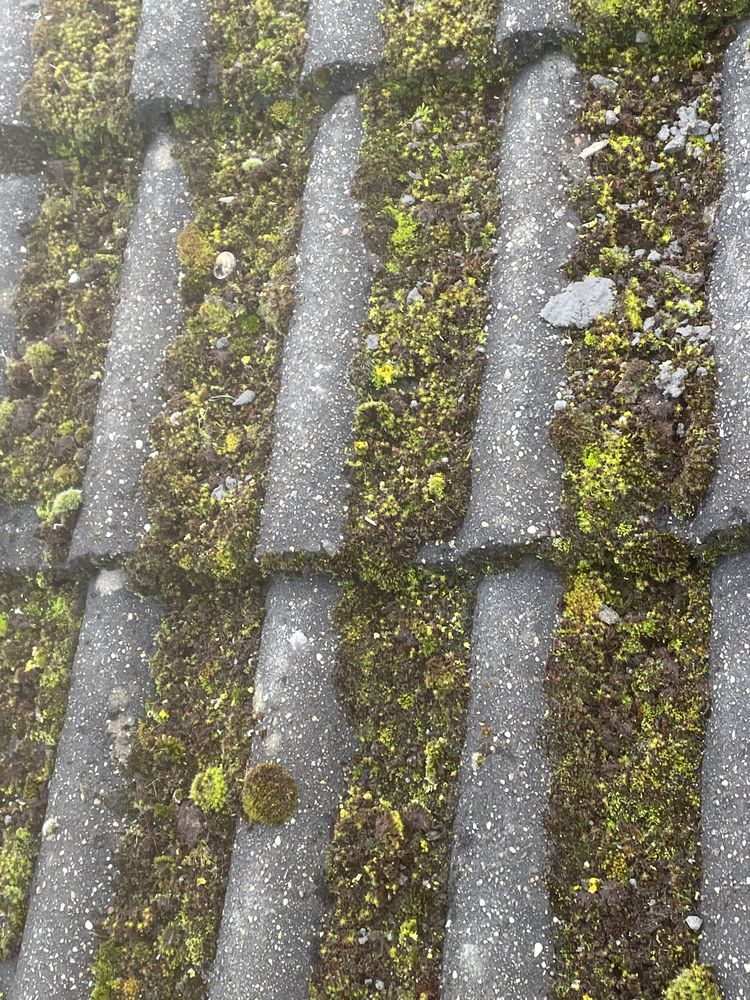
Moss on a roof is one of those things that’s easy to dismiss as purely cosmetic — until you understand what it’s actually doing to the tiles underneath. It retains moisture against the surface, worsens freeze-thaw damage through Merseyside’s wet winters, and left long enough, can physically lift and displace tiles.
We work across the whole of Merseyside — Formby, Southport, Crosby, Liverpool, Ormskirk, Maghull, Hightown, Ainsdale and Birkdale — offering manual moss removal and professional biocide treatment, not a quick pressure wash.
Most moss-removal companies are cleaning specialists, not roofers — they can clear what’s there, but they can’t always tell you whether the moss is masking a genuine structural problem, or honestly whether your roof needs removing right now at all. As experts first, we give you the answer that’s actually right for your roof, not the one that gets us booked in.
For the full picture on why pressure washing damages roofs and what non-roofer cleaners often miss, see our complete guide to moss removal.
📞 Call for a free quoteManual removal + biocide
Scraped away by hand, not blasted off, then treated with a professional biocide that kills spores and slows regrowth for 3-4 years, not months.
Honest assessment first
We’ll tell you if your moss is genuinely cosmetic and can wait, or if it’s holding damp against your tiles and needs attention now.
Gutter & downpipe clearance
Moss and debris washed down during the clean is cleared from gutters and downpipes as standard, not left for you to deal with.
experts first, cleaners second
Unlike gutter-only cleaning companies, we can identify and fix the roofing causes and consequences of moss — not just the symptom on the surface.
The technical bit
What Moss Actually Does to a Roof
Moss isn’t just an appearance issue. It retains moisture against the tile surface for extended periods, contributing to gradual surface deterioration over years — and in Merseyside’s freeze-thaw winters, that trapped water expands as it freezes, worsening small existing cracks. Left long enough, thick moss growth can physically lift and displace tiles, creating a direct path for water ingress. It also commonly washes into guttering during rain, contributing to blockages — see our Merseyside gutters guide for more on that connection.
Merseyside’s climate makes this a genuinely local issue, not just a general roofing concern: our westerly Atlantic weather brings higher rainfall and lower sunshine hours than much of England, creating ideal conditions for moss, algae and lichen — particularly on north-facing and shaded roof surfaces, and anywhere near mature trees.
Method comparison
Manual Removal vs Soft Wash vs Pressure Washing
Not all cleaning methods are equal, and the wrong one can genuinely do more harm than good to an older roof. Here’s an honest comparison:
Long-term prevention
Zinc & Copper Ridge Strips
For roofs with a persistent moss problem, fitting zinc or copper strips along the ridge is a genuinely effective long-term prevention method. Rainwater running over the metal picks up trace ions that naturally inhibit moss and algae growth across the whole roof as it washes down — no ongoing chemical treatment needed. It won’t stop moss returning entirely, but on a roof that needs cleaning every year or two, it can meaningfully extend the gap between treatments. Worth asking about when we survey your roof, particularly if this isn’t your first clean.
Common questions
Roof Moss Removal — Frequently Asked Questions
Does my roof actually need moss removing?
Not always immediately. Light moss on a well-ventilated roof with no visible tile damage can often wait. Thick, established moss holding visible dampness, moss in valleys and around chimney flashing, or any sign of lifted or displaced tiles is worth addressing sooner. We give an honest assessment, not a default "yes, book it in."
Is pressure washing safe for my roof?
Generally, no — not for most Merseyside roofs. High-pressure washing can dislodge or crack older, more brittle tiles and drive water up under tile laps never designed for that kind of force. We use manual removal and biocide treatment instead, which is gentler and longer-lasting.
How often does a roof need cleaning?
Heavily shaded or tree-covered properties: every 1-2 years. A typical Merseyside property with moderate exposure: every 3-4 years with biocide treatment. Well-ventilated, sun-exposed roofs with little tree cover can often go longer between cleans.
How long does biocide treatment last?
Typically 3-4 years, compared to just 1-2 years from pressure washing alone, since biocide kills spores at the root rather than just clearing visible growth from the surface.
What's the difference between you and a moss-removal-only company?
We're experts first. A cleaning-only company can clear moss, but if it's revealed a cracked tile, failed flashing or degraded underlay, they often can't diagnose or fix it. We check for and address the underlying cause, not just the visible symptom.