Reference
Roofers: Bats And Re Roofing
All UK bat species are legally protected, and it’s an offence to damage or destroy a roost even if bats aren’t present at the time. Older properties — particularly pre-1914 slate roofs, common across Merseyside — are higher-risk, and it’s worth checking before work starts, not after tiles are already off.
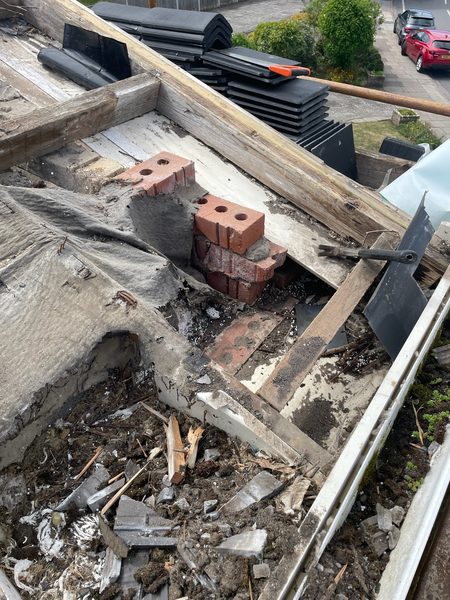
This isn’t a niche concern for barn conversions or listed buildings — it genuinely applies to ordinary re-roofing work on older domestic properties, which describes a large share of Merseyside’s housing stock. We want to be upfront about this rather than let it be an unpleasant surprise partway through a job.
Why bats matter for an ordinary re-roof
All UK bat species are protected under the Wildlife and Countryside Act 1981 and the Conservation of Habitats and Species Regulations 2017. The law protects not just the animals but the places they roost — including roof voids — and it’s an offence to damage or destroy a roost even when bats aren’t present at the time of the work. This means the legal risk exists whether or not you’ve ever seen a bat on the property.
Which properties are most at risk
Older buildings are the main concern. Pre-1914 properties with slate roofs are specifically flagged as higher-risk in planning guidance, along with properties near water, mature trees, or other bat-friendly habitat nearby. Given how much of Formby, Liverpool, Southport and the wider Merseyside area is genuinely this kind of housing stock, this is worth taking seriously rather than assuming it only applies elsewhere.
Why modern, high-quality re-roofing can be part of the problem
This is the detail that catches people out. Modern breathable membrane underlay — standard on most quality re-roofs today — is more airtight than the traditional materials it replaces. That’s generally a good thing for the roof’s performance, but it can also remove small roosting gaps that older roofs provided, sometimes for decades. In other words, doing the re-roof properly and well can unintentionally eliminate habitat that’s been there for years, without anyone doing anything careless.
What a bat survey actually involves
The first stage is usually a Preliminary Roost Assessment — an ecologist inspects the roof void and exterior for signs of bat activity, such as droppings, staining, or physical access points. If this suggests bats may be present, a further emergence survey may be needed, typically involving observation at dusk to confirm activity. Survey results are generally valid for around two years, so a recent clean survey on record genuinely helps.
What happens if bats are found
If a survey confirms bats are present, a European Protected Species Licence is usually required before work can proceed, along with a mitigation strategy. This can include timing the work to avoid the summer maternity season, or specifying bat access tiles within the new roof so bats can continue using the space. It doesn’t necessarily mean the job can’t go ahead — it means the timing and detailing need to account for it.
This is a real risk, not a hypothetical one
Prosecutions under this legislation genuinely happen. In one 2024 case in Newport, a contractor was fined after demolishing a confirmed bat roost. In a separate 2024 case in Caerphilly, a builder was convicted after destroying three roosts during roofing work, despite arguing the issue arose from a breakdown in communication with a sub-contractor — the conviction stood regardless. The lesson in both cases is the same: not knowing, or not asking, isn’t a defence.
What we do about this
We're roofers, not ecologists, and arranging a bat survey isn't something we do ourselves. But we'll flag it honestly at quoting stage on older properties — particularly slate roofs built before 1914 — rather than treating it as someone else's problem to discover later. Asking the question before tiles come off costs nothing and avoids a genuinely serious situation partway through a job.
If your property is older, has a slate roof, or backs onto trees or water, it's worth asking us about this directly at quoting stage — we'd rather raise it upfront than have it become a problem once work is underway.
Not sure what your roof needs?
We offer free inspections across Merseyside. We go up, take photos, show you what we find and give you an honest recommendation. No pressure, no obligation.