Reference
Roofers: Party Wall Notices And Roof Work
A standard change of roof covering does not require a Party Wall Notice. Work that cuts into, raises, extends or structurally alters a shared party wall — including loft conversions and chimney breast removal — does, typically requiring two months’ written notice before work starts.
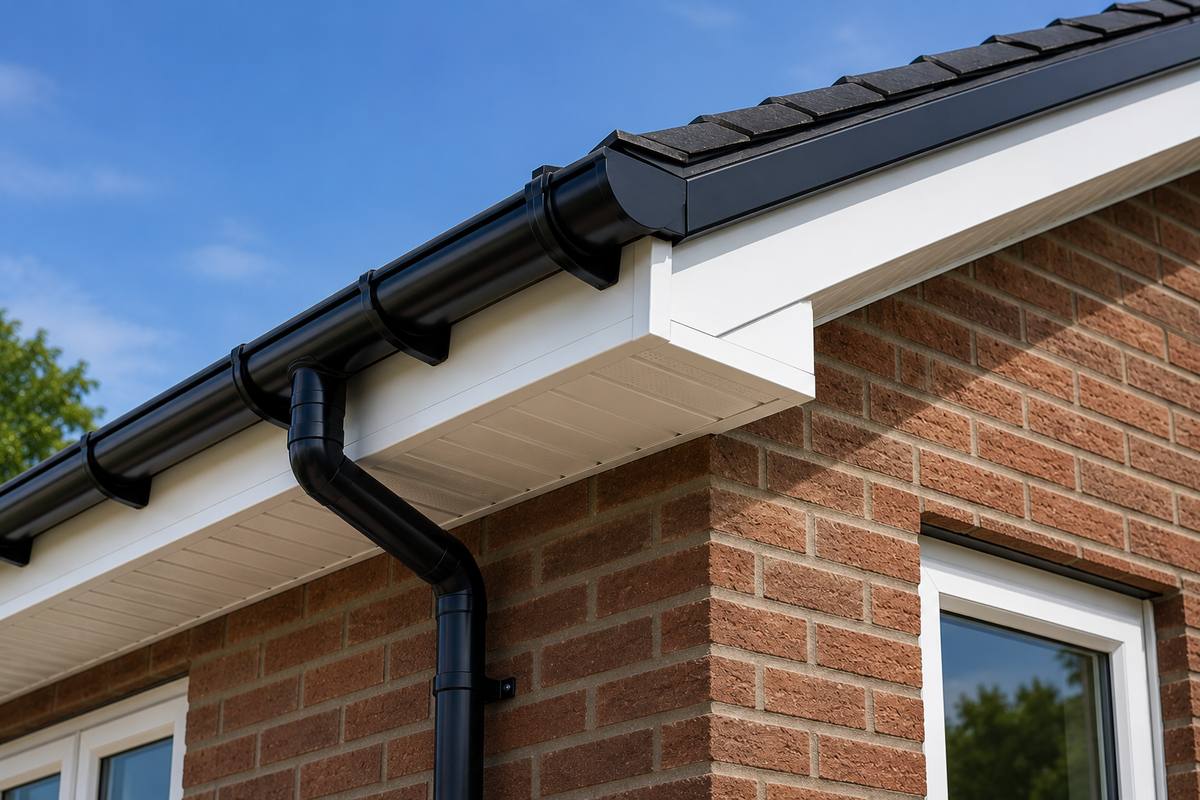
If you live in a terraced or semi-detached property — extremely common across Liverpool, Crosby, and much of Merseyside — you may have heard that roof work can trigger the Party Wall Act. This causes genuine confusion, and unnecessary worry, because the answer depends entirely on what the work actually involves. Here’s a clear, honest breakdown.
What the Party Wall Act actually is
The Party Wall etc. Act 1996 applies in England and Wales and provides a framework for preventing and resolving disputes relating to shared walls, boundary walls, and excavations near neighbouring buildings. It is entirely separate from planning permission and building regulations — the council is not involved in Party Wall Act matters at all. Its purpose is not to stop work happening; it creates a formal process that protects both the person carrying out the work and the neighbour whose property might be affected.
Most re-roofing work does not require a notice
This is the detail that causes the most unnecessary anxiety: a straightforward change of roof covering — replacing tiles, slates, or felt — does not fall within the scope of the Party Wall Act. If your project is a standard re-roof, repair, or covering replacement with no structural alteration to a shared wall, you generally will not need to serve a notice.
What roof-related work does require a notice
The Act applies when work structurally affects a party wall — the shared wall between your property and next door — not simply because work is happening on or near a roof. Common examples relevant to roofing and loft projects include:
- Cutting into a party wall — for example, to insert a beam or joist supporting new roof structure
- Loft conversions — specifically, cutting pockets into the party wall to seat beams when converting roof space into liveable accommodation
- Removing a shared chimney breast attached to a party wall
- Raising, thickening or extending a party wall — relevant if a project involves raising the roofline or building up a shared wall
- Any other structural alteration to a party wall, party structure, or party fence wall
What happens if a notice is required
If your project falls within scope, you must serve a written notice on the adjoining owner — typically at least two months before the work is due to start. Your neighbour then has 14 days to respond. If they don’t respond, or they object, a dispute is formally deemed to have arisen, and the matter moves to a surveyor-mediated resolution process: either a single surveyor agreed by both parties, or one surveyor appointed by each side, working together to produce a binding award. A served notice becomes invalid if work hasn’t started within 12 months.
Why this matters even when it feels like a formality
Starting notifiable work without serving the required notice is a genuine legal risk, not just a box-ticking exercise. It can expose you to a legitimate claim from the adjoining owner, potentially including an injunction to stop work or a claim for damages — a genuinely costly and stressful position to be in partway through a project. Getting this right at the planning stage avoids it entirely.
We’ll flag honestly at survey or quotation stage if we think your specific project is likely to require a Party Wall Notice — but formal confirmation and the notice process itself should always involve a solicitor or qualified party wall surveyor, not just your roofing contractor.
Not sure what your roof needs?
We offer free inspections across Merseyside. We go up, take photos, show you what we find and give you an honest recommendation. No pressure, no obligation.