Buying a Home
Mortgage Retention for Roof Repairs, Explained
Mortgage retention is when a lender holds back part of your mortgage until a roof issue their valuer flagged has been fixed or professionally assessed. There's no fixed formula for the amount, but it often tracks the estimated repair cost with a buffer; most lenders allow 3–12 months to complete the work, releasing funds within 7–14 days of proof. An independent, professionally produced report and a firm quote is usually the document that moves things forward — whether that's satisfying the lender or negotiating with the seller.
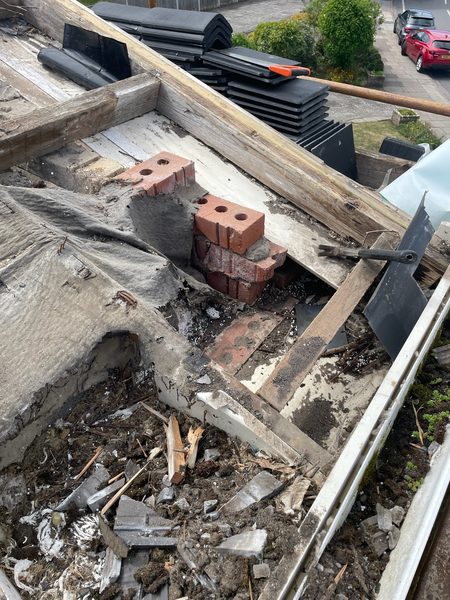
A roof under close inspection — exactly the kind of assessment a lender's retention is asking you to arrange.
If you're partway through buying a house and your mortgage offer has come back with a chunk of money held back "pending roof repairs," you're not alone, and it's not usually a reason to panic. Roof issues are one of the most common triggers for mortgage retention in the UK, and the process, while frustrating, is well understood. This guide explains what's actually happening, what lenders typically expect, and — the part most articles skip — what you can genuinely do about it.
On this page
- What mortgage retention actually is
- Why roofs trigger it so often
- How much do lenders typically retain?
- Timelines: completing the work and getting funds released
- The process, step by step
- Can you get the retention reduced?
- Spray foam: the biggest current lending blocker
- If you're the seller
- What documentation actually satisfies a lender
- Common myths
- Frequently asked questions
- Summary & next steps
What mortgage retention actually is
When you apply for a mortgage, your lender sends their own surveyor to value the property — separate from any survey you commission yourself. If that valuer spots something they consider a risk to the property's condition or value (a roof issue is one of the most common), the lender can respond by approving the mortgage but holding back, or "retaining," part of the loan until the issue is dealt with.
It's their way of protecting the loan: they don't want to lend the full amount against a property with a roof that might need £8,000 spending on it next year. You still complete the purchase, but you need to either cover the retained amount yourself at completion, negotiate with the seller, or get the work done and provide evidence before the lender releases the rest.
The same principle applies when remortgaging, not just buying. If you're remortgaging — including a buy-to-let or HMO property — a new lender's valuer can flag the roof in exactly the same way, and portfolio landlords in particular tend to face tighter scrutiny at this stage. See our dedicated landlord & portfolio roof survey guidance if this applies to you.
Why roofs trigger it so often
The roof is one of the most expensive single elements of a property to get wrong, and it's also one of the easier things for a valuer to spot a concern about, even from a fairly brief inspection. Common triggers we see across Merseyside include:
- Roof age and visible wear — slipped or missing tiles, worn ridge mortar, obvious deterioration
- Flat roofs — particularly older felt coverings nearing or past their expected lifespan; see our guide to flat roof replacement cost
- Spray foam insulation — now one of the single biggest roof-related lending blockers, covered in full below
- Signs of active leaks or damp — staining, damp patches, or evidence in the loft
- Structural concerns — sagging rooflines or visible movement
How much do lenders typically retain?
There's no universal formula, which is one of the most frustrating parts of the process. In our experience and from the wider evidence, lenders often retain a figure in the region of the estimated repair cost, sometimes with a buffer on top to cover uncertainty. Crucially, the retained amount isn't automatically tied to whatever quote you actually obtain — a lender isn't obliged to release exactly what your contractor quotes, and if their own valuer's estimate was higher, that figure can stick unless you make a case against it.
This is precisely why a vague verbal estimate rarely moves a lender. A written, itemised, professionally produced report and quote is the thing that gives you something concrete to negotiate with.
Timelines: completing the work and getting funds released
Most lenders give you somewhere between 3 and 12 months from completion to get the retained work done, though this varies by lender and by how serious the issue is. Once the work is finished, you'll typically need to provide evidence — a completion certificate, invoice, or in some cases a re-inspection — and funds are usually released within 7 to 14 days after that. Interest is generally only charged on funds actually released to you, not on the retained portion sitting with the lender, though you should always confirm this with your specific lender or broker.
The process, step by step
- Mortgage valuation flags the roof. The lender's surveyor notes a concern during the standard mortgage valuation, separate from any survey you've commissioned.
- Mortgage offer issued with a retention. You still get an offer, but part of the loan is held back, specified in your mortgage offer documents.
- You weigh your options. Cover the shortfall yourself, negotiate a price reduction with the seller, or in some cases challenge the retention with your own evidence.
- Get a specialist report and firm quote. An independent, written report from a roofing specialist — not a generalist — gives you a documented position, whether you're negotiating with the seller or aiming to reduce the retention itself.
- Complete the purchase. The property completes with the retention still in place, funds held by the lender.
- Carry out the work. Within the timeframe set by your lender, usually 3–12 months.
- Provide evidence and request release. A completion certificate or invoice from a qualified contractor, submitted to your lender.
- Funds released. Typically within 7–14 days of the lender accepting your evidence.
Can you get the retention reduced?
Sometimes, though it's never guaranteed. The most credible route is providing your own independent, professionally produced report and an itemised, firm quote — this gives the lender something concrete to weigh against their own valuer's figure, rather than asking them to simply take your word for it. It doesn't always change their position; some lenders are guided by their own valuer's estimate regardless of what you present. But going in with proper documentation gives you a genuinely stronger position than a phone call and a rough number.
The same documentation is often useful in a second way: negotiating directly with the seller for a price reduction to cover the shortfall, rather than relying on the lender to change their retention at all.
Spray foam: the biggest current lending blocker
If there's one issue causing more roof-related mortgage problems across the UK right now than any other, it's spray foam insulation. Applied directly to the underside of roof timbers, spray foam can trap moisture against the timber, and critically, it conceals the roof structure from the kind of visual inspection a valuer or surveyor needs to do their job. Many lenders now apply an automatic retention, or in some cases decline to lend at all, until a specialist has inspected the roof and, very often, until the foam has been removed.
This is a subject we've covered in real depth, including the mis-selling angle many affected homeowners don't realise applies to them: see our guides to spray foam removal and spray foam mis-selling and compensation. We've taken a public stance on this: we won't install spray foam insulation at any price, precisely because of the mortgage and resale problems it consistently causes.
If you're the seller
Retention isn't only a buyer's problem. If your buyer's mortgage valuation flags your roof, the sale can stall while they work through their options — and a difficult retention is a genuine, common reason purchases fall through. If you know or suspect your roof has an issue that's likely to be flagged, getting ahead of it with your own professional report before you list is often the difference between a smooth sale and a renegotiated price weeks before completion. See our Professional Roof Survey Report for exactly this situation.
What documentation actually satisfies a lender
Lenders and their surveyors generally want to see:
- A written, professional report — not a verbal opinion or a rough note on a business card
- An itemised, firm quote for the specific work identified, from a genuine roofing specialist
- Evidence of completion once work is done — typically an invoice and, where applicable, a Building Regulations completion certificate; see our guide on building control sign-off
Documentation that's vague, unsigned, or from someone who isn't clearly a specialist tends to get questioned or rejected outright — adding weeks to a process that's already time-pressured.
Once the work is done: if you already have a Select Roofing Professional Roof Survey Report on file, we offer a Retention Release Confirmation — a follow-up visit and written confirmation that the flagged repairs have been completed, for £125 inc VAT. That sits within the £120–£200 a lender's own arranged re-inspection typically costs, without the delay of going through them, and it's ready to send straight to your lender or solicitor. Ask when you book your survey, or call 07596 884288.
Common myths
Myth
"If I get a cheaper quote, the lender has to release that amount instead."
Fact
Not automatically. The lender isn't obliged to match their retention to your quote, though a strong report can support a case for review.
Myth
"A retention means the sale is off."
Fact
Usually not. Most retentions are resolved through negotiation, self-funding the shortfall, or completing the work afterward.
Myth
"Any roofer's quote will do to satisfy the lender."
Fact
Lenders generally want a written, professional report and itemised quote, not a verbal estimate or informal note.
Myth
"Spray foam is just insulation, it won't affect my mortgage."
Fact
It's currently one of the most common causes of a roof-related retention or outright decline to lend.
Frequently Asked Questions
Summary
Mortgage retention on a roof is common, rarely fatal to a purchase, and comes down to one thing above all else: proper documentation. A vague verbal quote rarely moves a lender or a seller. An independent, professionally produced report with a firm, itemised quote is what actually gets a retention resolved, a purchase back on track, or a fair renegotiation with the seller — whichever side of the transaction you're on.
Facing a roof-related mortgage retention?
Our Professional Roof Survey Report is built for exactly this situation — an independent, PI-insured written report with photos, defect classification and indicative repair costs, £249 inc VAT, ready within 3 working days.
Related guides
Service
Professional Roof Survey Report
The report lenders and solicitors want →
Service
Landlord & Portfolio Surveys
BTL & HMO remortgage support →
Guide
Spray Foam Removal
Costs, process & the full picture →
Guide
Spray Foam Mis-Selling
Compensation & what evidence you need →
Guide
What Happens During a Roof Survey
What to expect on the day →
Guide
Building Control Sign-Off
The evidence lenders want to see →
Guide
Repair vs Replacement
Making sense of what's flagged →